


26 Feb Culinary History: The Origin of the Cinnamon Roll
The cinnamon roll, known as kanelbulle in Sweden, is much more than just a sweet treat; it is a tradition that is deeply embedded in Swedish cultural identity and has a fascinating history that spans centuries. Its origin dates back to the 18th century, when bakers in Northern Europe began experimenting with doughs enriched with butter and other ingredients.

The French refined these doughs, the Dutch adapted them by frying them in oil, and the Germans created a rolled bun with sugar and raisins known as schnecken. It was this German version that inspired the Swedes, who, around 1920, decided to add cinnamon, thus creating the kanelbulle we know today.

Cinnamon, the key ingredient in this recipe, has an even older history. Native to Sri Lanka, this spice reached Europe over 2,000 years ago through the trade routes established by the Romans. Its warm, spicy flavor soon became the perfect complement for the rolls, giving them a unique character that makes them irresistible. However, it wasn’t all smooth sailing for this iconic pastry.

During World War I, the shortage of ingredients such as sugar and butter meant that the kanelbullar were relegated to the background. It was only after World War II, during a period of prosperity in Sweden, that these buns made a strong comeback in bakeries and cafes, solidifying their place as a favorite in Swedish pastry.

The 20th century brought the globalization of the kanelbulle. Swedes and Germans emigrated to the United States, bringing the recipe with them and adapting it to local tastes. Americans, always innovative, added generous glazes and syrups, creating the famous cinnamon rolls, which quickly became a success.

Meanwhile, in Sweden, equally surprising variations emerged, such as the hagabullar of Haga, a district in Gothenburg. This giant cinnamon roll, measuring 30 centimeters in diameter, resembles the Mallorcan ensaimada and is a testament to the ingenuity and creativity surrounding this pastry.
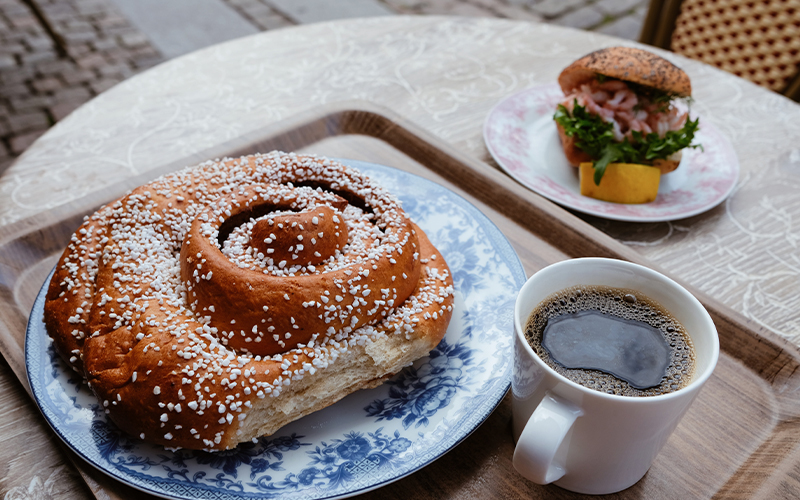
In Sweden, kanelbullar play a special role in fika, a deeply rooted custom that combines coffee, pastries, and good company. Fika is not just a coffee break; it is a moment of social connection that many consider one of the keys to Swedish happiness.














Sorry, the comment form is closed at this time.