

05 Ene The Origins of Epiphany Food Traditions
The Epiphany meal, celebrated every year on 6th January, has roots that blend Christian tradition with ancient pagan festivities. Although the date marks the visit of the Three Wise Men to the manger, its culinary customs draw from the Roman Saturnalia, festivals that honoured abundance and the closing of the solar cycle. Over time, these practices became part of the Christian calendar, giving rise to a family feast that signalled the end of the Christmas season.
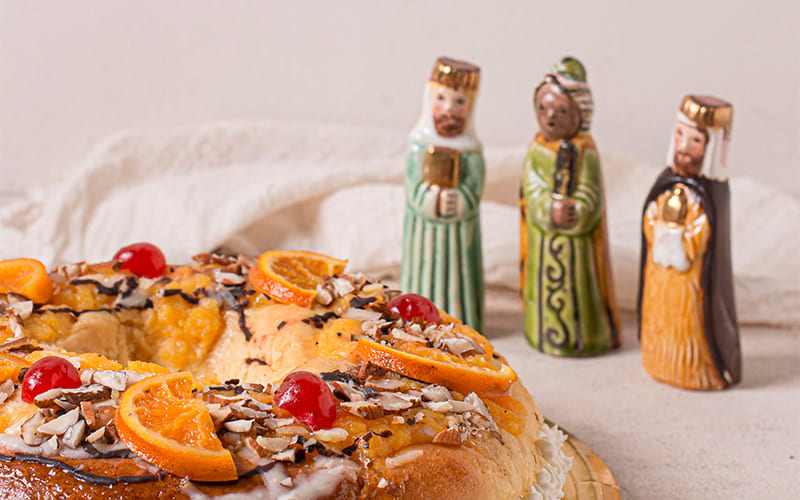
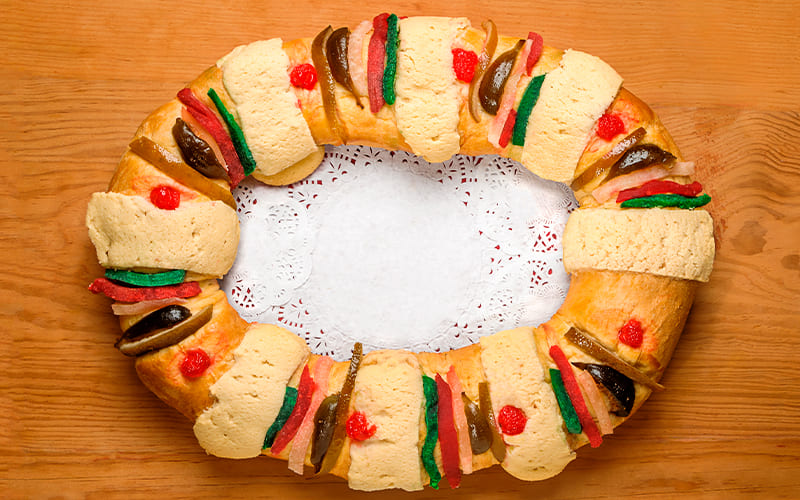
The most emblematic dish is the Rosca or Roscón de Reyes, a circular sweet bread decorated with candied fruits that represent the jewels of the Wise Men. A small figurine or bean is usually hidden inside, determining who will have good luck or who must prepare the bread the following year.
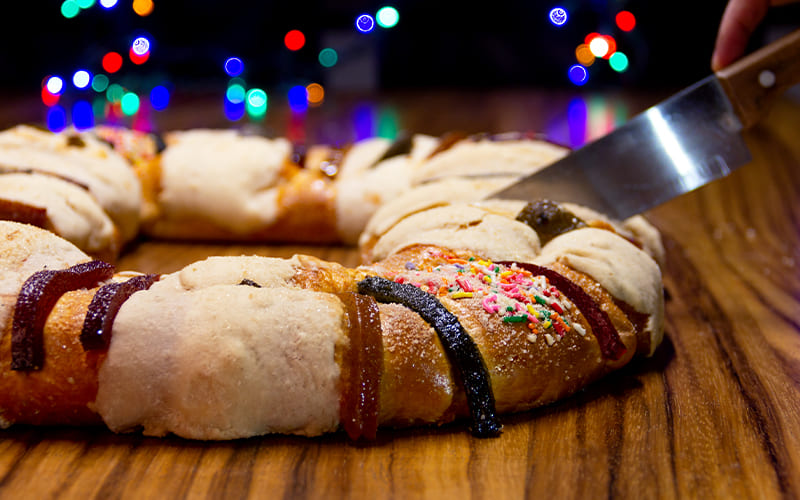
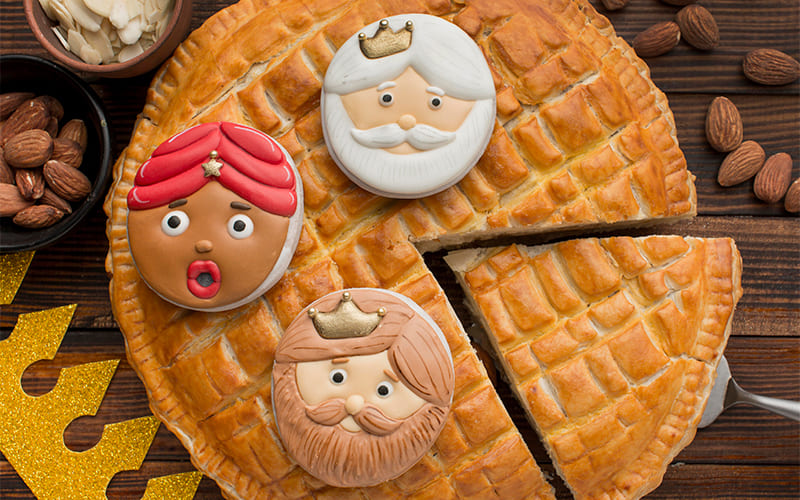
However, the food traditions vary from country to country. In France, people enjoy the Galette des Rois, a puff-pastry tart filled with almond cream. In Mexico, the rosca is served with hot chocolate or atole. In Portugal, the Bolo Rei includes dried fruits and a touch of liqueur. In Puerto Rico, the celebration features savoury dishes like roast pork, pasteles de masa, and arroz con gandules. Even in Spain, depending on the region, people add hot drinks, marzipan, or local sweets.
Today, the Epiphany meal remains a ritual that brings together history, celebration, and the joy of ending the festive season with one last feast full of symbols and good wishes.













Sorry, the comment form is closed at this time.